
Seasonal Shipping Challenges: Preparing Your Supply Chain for Peak Times


Understanding Seasonal Shipping Challenges
As businesses approach peak seasons, the demands on supply chains intensify dramatically. Whether it's the holiday rush or a back-to-school surge, navigating these periods requires strategic planning. Understanding the unique challenges of seasonal shipping is crucial for maintaining customer satisfaction and operational efficiency.
Peak times can lead to increased shipping volumes, heightened customer expectations, and potential delays. Companies must anticipate these factors to avoid disruptions. By preparing early, businesses can turn seasonal challenges into opportunities for growth.
Forecasting Demand Accurately
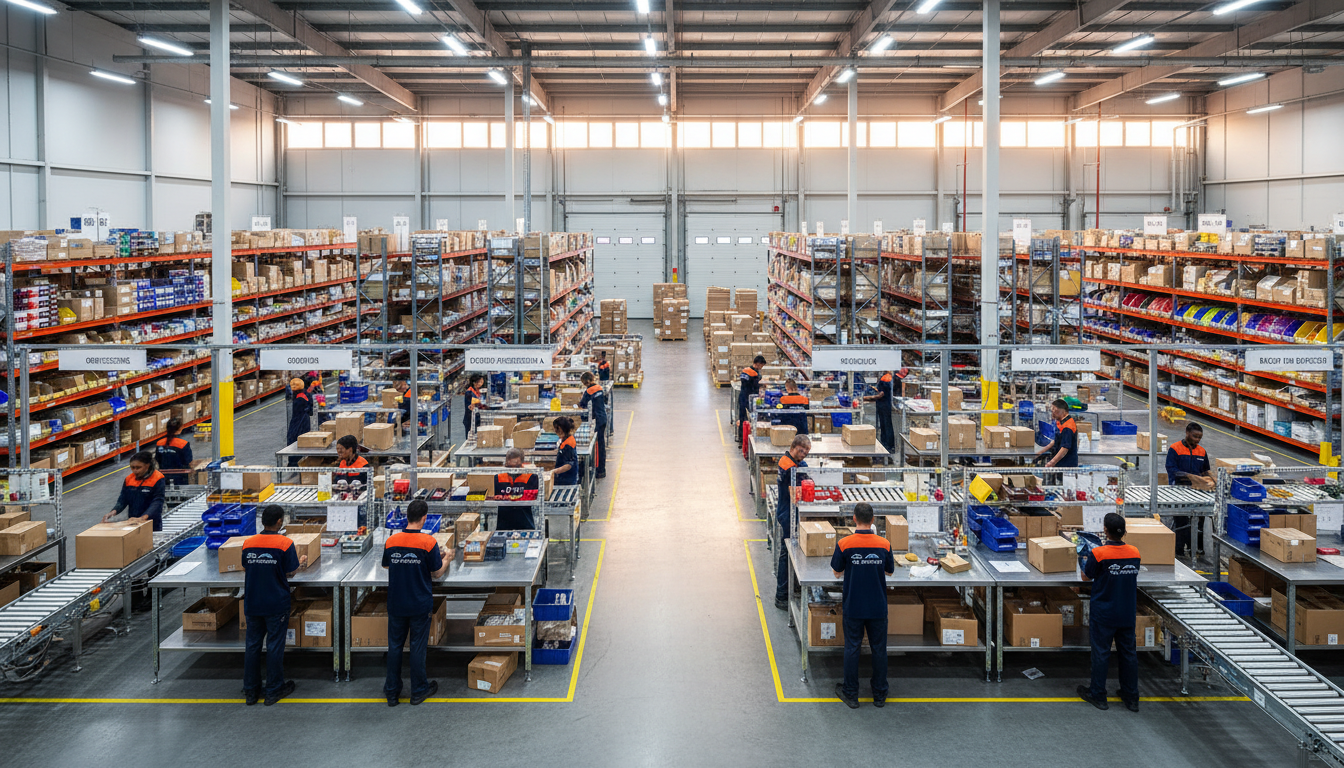
One of the most critical steps in preparing for peak shipping times is accurate demand forecasting. Companies should analyze historical data and market trends to predict sales volumes. Collaborating with retailers and suppliers can also provide valuable insights into expected demand.
Advanced analytics tools can help businesses refine their forecasts, ensuring they have the right inventory levels to meet customer needs. By understanding what products are likely to be in high demand, companies can optimize their supply chain operations.
Leveraging Technology
Technology plays a significant role in managing seasonal shipping challenges. Implementing robust inventory management systems and real-time tracking tools can enhance visibility across the supply chain. Automated systems reduce the risk of human error and improve overall efficiency.

Strengthening Supplier Relationships
Strong relationships with suppliers are crucial during peak times. Open communication and collaboration ensure that all parties are aligned and can respond quickly to changes in demand. Businesses should work closely with suppliers to establish flexible agreements that allow for adjustments when necessary.
Building a reliable network of suppliers can mitigate risks associated with potential delays or shortages. This network acts as a safety net, enabling companies to maintain steady operations even during the busiest times.
Enhancing Logistics and Distribution
Efficient logistics and distribution are key to overcoming seasonal shipping challenges. Companies should evaluate their current logistics strategies and identify areas for improvement. This might involve optimizing delivery routes, increasing warehouse capacity, or partnering with third-party logistics providers.

Staffing for Peak Periods
During peak seasons, having the right workforce in place is essential. Businesses should plan for additional staffing to handle increased workloads. Temporary hires or flexible scheduling can help meet demand without overburdening permanent staff.
Training is also critical. Well-prepared employees can adapt quickly to the fast-paced environment, ensuring that operations run smoothly and customer expectations are met.
Communication with Customers
Transparent communication with customers is vital during peak times. Keeping customers informed about potential delays, shipping timelines, and product availability can enhance their experience and build trust. Companies should leverage multiple channels, such as email and social media, to keep customers updated.
By preparing thoroughly and implementing these strategies, businesses can successfully navigate the challenges of seasonal shipping, turning potential obstacles into opportunities for success.