
Myth-Busting Carrier Rate Optimization: Debunking Common Misconceptions


Understanding Carrier Rate Optimization
Carrier rate optimization is a critical component of logistics and supply chain management. However, it is often surrounded by myths and misconceptions. By understanding the realities, companies can make informed decisions that lead to cost savings and improved efficiency.
Many businesses believe that finding the lowest possible rate is the primary goal of carrier rate optimization. While cost is a significant factor, it's essential to balance it with service quality, reliability, and delivery times. Focusing solely on cost can lead to disruptions and dissatisfied customers.
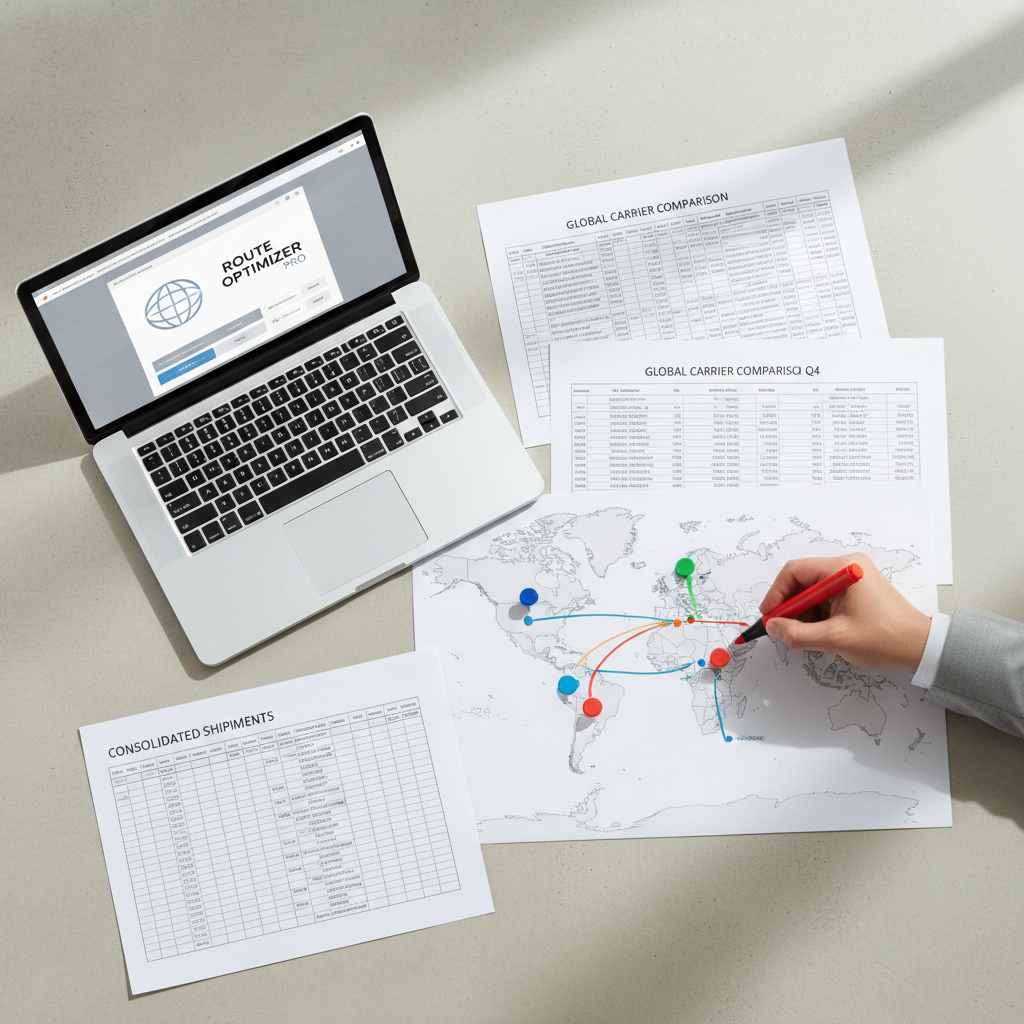
Myth 1: All Carriers Offer the Same Services
It's a common misconception that all carriers provide identical services. In reality, carriers have different strengths, specialties, and limitations. Depending on your shipping needs, one carrier may be more suitable than another. Evaluating carriers based on their specific offerings can lead to better service and efficiency.
For instance, some carriers excel in expedited shipping, while others may offer better rates for bulk shipments. Understanding these nuances allows businesses to make strategic choices that align with their operational goals.
The Role of Technology in Rate Optimization
Another myth is that technology has a minimal role in carrier rate optimization. On the contrary, technology plays a vital part in analyzing and comparing carrier rates. Advanced software solutions can automate rate comparisons, track shipments, and provide analytics for continuous improvement.

Integrating technology into logistics processes not only saves time but also provides a competitive edge. By leveraging data and analytics, businesses can make more informed decisions, leading to optimized carrier selection and better overall performance.
Myth 2: Rate Optimization is a One-Time Process
Some believe that carrier rate optimization is a one-time task. In reality, it's an ongoing process that requires regular review and adjustment. Market conditions, carrier rates, and business needs can change, necessitating continuous evaluation and adaptation.
- Regularly review carrier agreements
- Monitor market trends
- Adapt to changes in shipping volumes and customer demands
Building Strong Relationships with Carriers
Many think that negotiating rates is an adversarial process. However, building strong relationships with carriers can lead to better rates and service. Open communication and collaboration often result in mutually beneficial agreements that go beyond mere cost considerations.

By fostering partnerships with carriers, businesses can explore value-added services, flexible terms, and innovative solutions that align with their long-term goals. Trust and transparency play a crucial role in these partnerships, promoting a win-win scenario for both parties.
Conclusion: Moving Beyond Myths
Debunking these myths is essential for businesses looking to optimize their carrier rates effectively. By focusing on a holistic approach that considers cost, service quality, technology, ongoing evaluation, and strong relationships, companies can achieve sustainable success in their logistics operations.
In the ever-evolving world of logistics, staying informed and adaptable is key. Embracing the realities of carrier rate optimization opens the door to enhanced efficiency, customer satisfaction, and profitability.