
Maximizing Savings with Lost and Damaged Claims Recovery


In today's fast-paced business environment, managing operational costs effectively is crucial for maintaining profitability. One often overlooked area for potential savings is the recovery of lost and damaged claims. This process can significantly reduce expenses and enhance your bottom line.

Understanding Lost and Damaged Claims
Lost and damaged claims refer to the compensation businesses seek when their goods are lost or damaged during transit. This can occur at any point in the supply chain, from manufacturing to delivery. Recovering these claims helps businesses recoup losses and increase overall efficiency.
Many companies underestimate the impact of not pursuing these claims. By actively engaging in the claims recovery process, businesses can mitigate financial losses and even improve their customer satisfaction by ensuring that customers receive undamaged goods or appropriate compensation.
Steps to Maximize Claims Recovery
1. Document Everything
The first step in maximizing claims recovery is thorough documentation. Keep detailed records of all shipments, including invoices, tracking numbers, and any communication with shipping partners. This documentation is essential when filing a claim.
2. Understand Carrier Policies
Each carrier has its own policies regarding lost and damaged claims. Familiarizing yourself with these policies ensures that you meet all necessary requirements and deadlines. This knowledge can prevent claim denials and expedite the recovery process.
3. Leverage Technology
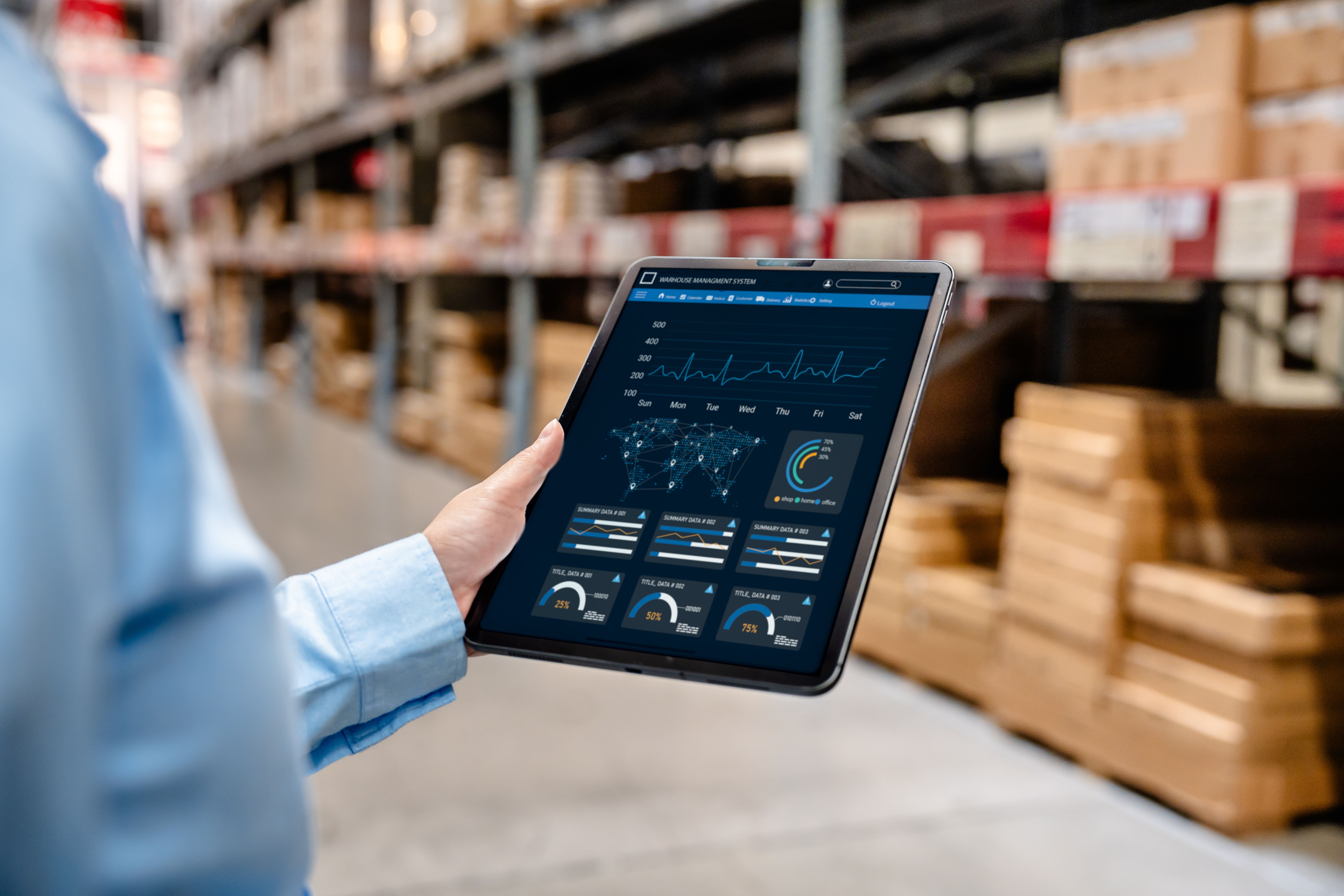
Modern technology offers tools that can simplify the claims process. Implementing a claims management system can help automate documentation, track claims status, and provide analytics to identify patterns or recurring issues. This technology can streamline your efforts and increase recovery rates.
Benefits of Effective Claims Recovery
Maximizing claims recovery offers several benefits beyond immediate financial savings. It can lead to improved relationships with carriers and suppliers by highlighting areas for improvement in the supply chain. Additionally, it can enhance your company’s reputation by demonstrating a commitment to quality and customer satisfaction.

Moreover, recovering lost and damaged claims can provide valuable insights into your logistics operations. Analyzing claims data can uncover underlying issues such as packaging weaknesses or unreliable carriers, allowing you to make informed decisions that enhance overall efficiency.
Conclusion
In conclusion, actively pursuing lost and damaged claims is a strategic approach to cost management that many businesses overlook. By documenting shipments, understanding carrier policies, and leveraging technology, companies can significantly improve their recovery rates. This not only boosts the bottom line but also fosters stronger business relationships and operational insights. As you refine your claims recovery process, the savings and benefits will undoubtedly reflect positively on your business's financial health.