
Lost and Damaged Claims: How to Navigate and Win


Understanding Lost and Damaged Claims
When it comes to shipping goods, the possibility of items being lost or damaged is a reality that businesses must face. Navigating the process of filing claims for these unfortunate events can be daunting. However, understanding the steps involved and knowing your rights can significantly improve your chances of a successful claim.

Document Everything
Before you even think about filing a claim, it's crucial to have proper documentation. This includes keeping records of the shipment, such as invoices, tracking numbers, and photos of the items before they were shipped. Having detailed records will serve as evidence, supporting your case when presenting a claim to the shipping company.
In addition to the basic information, note any communication with the carrier or shipping company. This can be invaluable if disputes arise during the claims process. Remember, thorough documentation is your best ally.
Filing the Claim
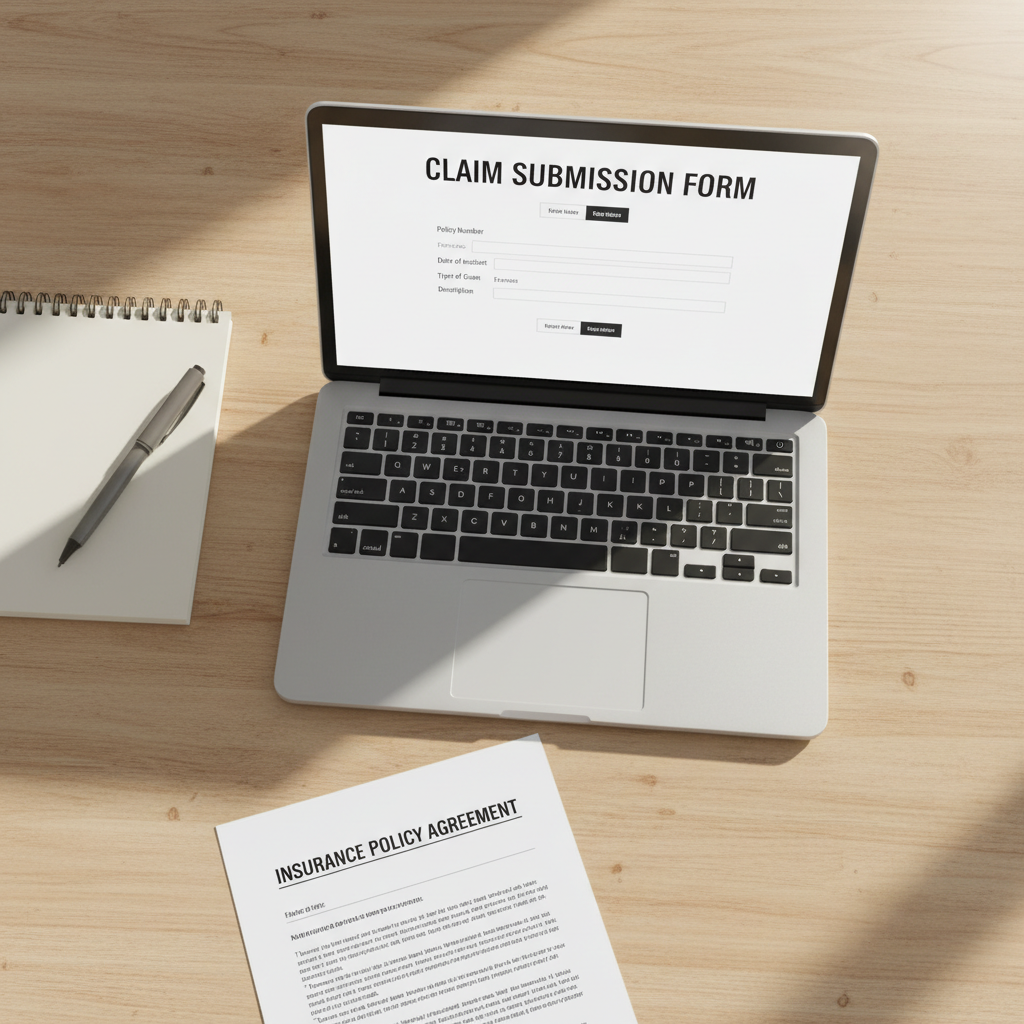
Once you've gathered all necessary documentation, it's time to file the claim. Each carrier has its own procedures, so familiarize yourself with their specific requirements. Generally, claims can be filed online or through mail.
Be Prompt
Timeliness is key when dealing with lost or damaged claims. Most carriers have strict deadlines for filing, often ranging from a few days to several weeks. Missing these deadlines can result in your claim being denied, regardless of its validity. Always adhere to the carrier's timeline.
Provide Accurate Information
Ensure that all the information you provide is accurate and complete. This includes details about the shipment, the nature of the loss or damage, and the compensation you are seeking. Inaccurate or incomplete information can delay the process or lead to a denial of your claim.
Following Up on Your Claim
After submitting your claim, follow up regularly with the carrier. This shows that you are serious about the issue and keeps your claim at the forefront of their attention. Most carriers will provide a claim number that you can use to track the status of your claim.

Negotiation and Settlement
Once the carrier reviews your claim, they may offer a settlement. If the offer does not meet your expectations, don't hesitate to negotiate. Be prepared to explain why you believe the compensation should be higher, using your documentation as support.
Escalating the Claim
If negotiations fail, consider escalating the claim. This might involve contacting a higher authority within the shipping company, or in some cases, seeking legal advice. Knowing when and how to escalate can make the difference in resolving the claim to your satisfaction.
Conclusion
Dealing with lost and damaged claims can be a complex process, but with careful preparation and persistence, you can navigate the system effectively. By documenting everything, adhering to deadlines, and communicating clearly, you stand a better chance of winning your claim and minimizing losses.