
A Comprehensive Guide to Lost and Damaged Claims Management


Managing lost and damaged claims effectively is crucial for businesses involved in logistics, shipping, or any operation that deals with physical goods. A structured approach ensures that these claims are resolved swiftly and fairly, minimizing financial losses and maintaining customer trust.

Understanding Lost and Damaged Claims
Lost and damaged claims arise when goods are either misplaced during transit or arrive in a condition that is less than satisfactory. These claims can be initiated by the customer or the receiving entity, and they often require a thorough investigation to determine liability.
Types of Claims
Claims can generally be categorized into two main types:
- Lost Claims: Filed when goods are not delivered to the intended recipient.
- Damaged Claims: Filed when goods are delivered but in a defective or impaired condition.
Steps in Claims Management
The process of managing lost and damaged claims involves several key steps that ensure a systematic resolution. Following these steps can help streamline the process and reduce the time taken to resolve claims.

1. Documentation
Proper documentation is the foundation of effective claims management. This includes maintaining comprehensive records of all shipments, delivery receipts, and any photographic evidence of the condition of goods upon delivery.
2. Investigation
An essential step is conducting a thorough investigation to ascertain the cause of loss or damage. This may involve reviewing shipment routes, handling processes, and interviewing personnel involved in the transit.
Mitigating Risks
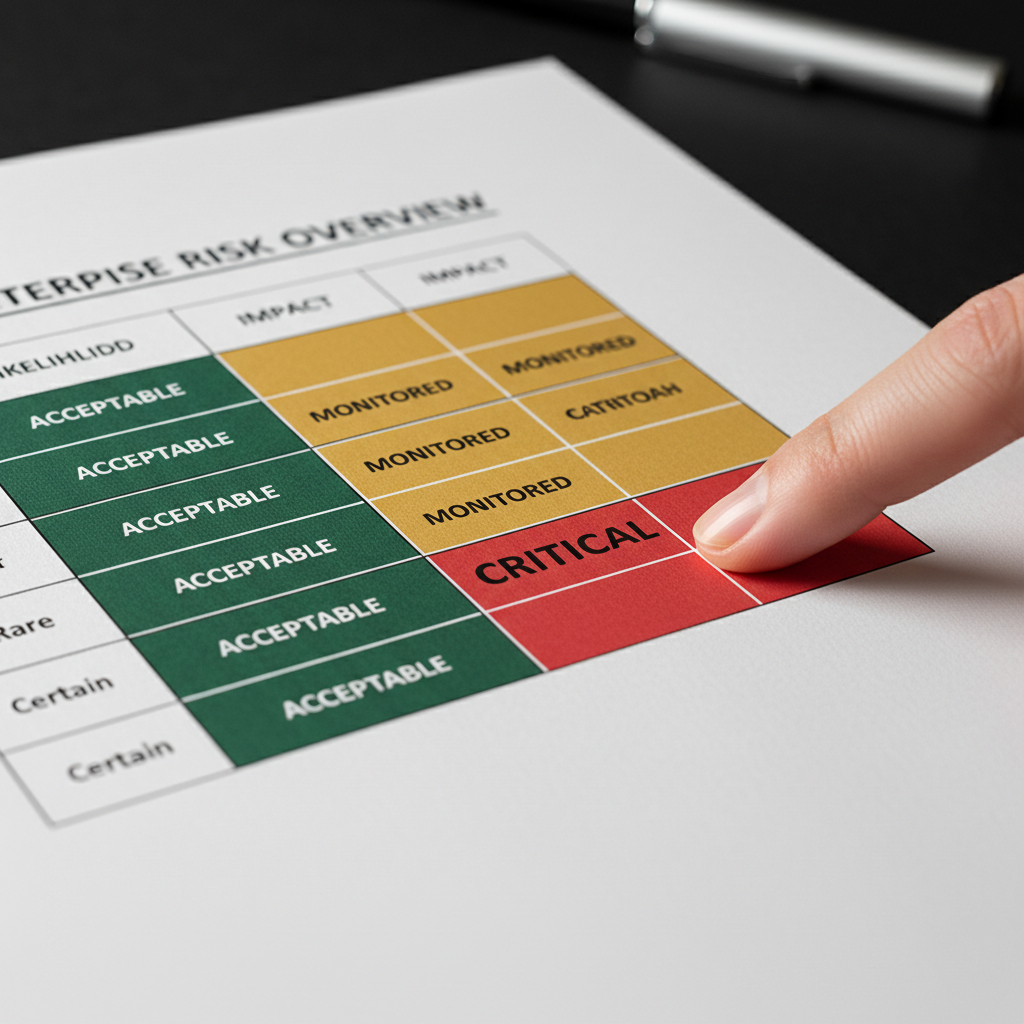
While it is impossible to eliminate all risks associated with lost and damaged goods, businesses can take proactive measures to minimize their occurrence. Implementing these strategies can lead to more efficient operations and satisfied customers.
Insurance Coverage
Having comprehensive insurance coverage is crucial. This not only protects the business financially but also provides peace of mind knowing that there is a safety net in place.
Training and Protocols
Regular training for staff and establishing clear protocols for handling goods can significantly reduce the risk of loss and damage. Ensuring that everyone involved is aware of these procedures is key to effective claims management.
Conclusion
In conclusion, a well-structured lost and damaged claims management system is vital for maintaining the integrity and reputation of a business. By understanding the types of claims, following a systematic process, and implementing risk mitigation strategies, companies can handle claims efficiently and maintain customer satisfaction.